

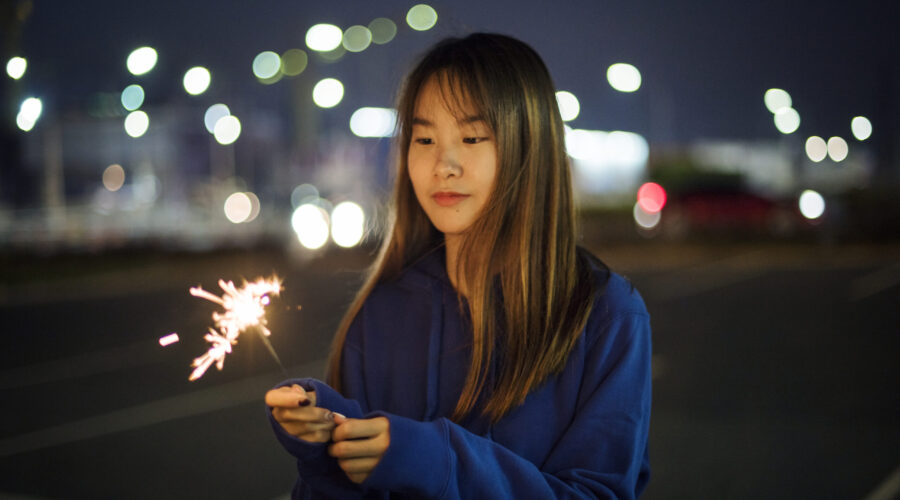
New Year Social Isolation: Why January Feels Lonely
The New Year Hangover Nobody Talks About
Here’s the truth nobody posts on social media: the New Year isn’t always champagne wishes and vision board dreams. One minute you’re clinking glasses and screaming “3…2…1!” and the next, you’re staring at your phone, wondering if you actually have friends or if everyone just collectively tolerates you at parties. This post-holiday social isolation hits harder than any New Year’s hangover, and it’s way more common than you think.
If you’re feeling lonely as January drags on, welcome to the club. The membership is surprisingly large, and spoiler alert, there’s absolutely nothing wrong with you.
New Year’s social isolation is a legit phenomenon that catches people off guard every single year. That weird emptiness creeping in as the holiday decorations come down? About one in three adults in the U.S. is feeling it too, according to the Centers for Disease Control and Prevention. You’re not broken. You’re just a human in January.

Why January Hits Different Amid Social Isolation
Here’s the thing about January: it’s basically designed to make you feel isolated. December throws this massive social party, holiday gatherings, year-end celebrations, and mandatory office potlucks, where Karen brings that weird Jello salad again. Then January shows up like “lol, back to your regularly scheduled loneliness.”
The contrast is brutal. You go from having built-in excuses to see people (“It’s the holidays!”) to nothing. Everyone’s hibernating, broke from gift-buying, and pretending they’re actually going to the gym this time. The days are short, the weather’s miserable, and your social calendar looks sadder than your bank account.
And let’s not forget the new year resolution pressure. Everyone’s so busy “becoming their best self” that they forget humans are literally wired for connection, not just for crushing fitness goals in isolation.
The Friendship Math That Nobody Warned You About
Want to know why making friends as an adult feels harder than filing taxes? Blame the numbers.
According to research from the University of Kansas, it takes approximately 50 hours of interaction to transition from a stranger to acasual friend. Want an actual friend-friend? That’ll be about 90 hours. And if you’re after a close friend, someone you can call at 2 AM when life gets weird, you’re looking at over 200 hours together.
Let that sink in. 200 hours. That’s basically binge-watching all of Game of Thrones twice with someone before you can consider them a ride-or-die.
The problem? As adults, we barely have 20 free minutes, let alone 200 free hours. Between work, commuting, pretending to adult (groceries, laundry, staring at the ceiling contemplating existence), and trying to maintain some semblance of self-care, who has time to accumulate friendship hours?
This is why your work friendships exist but somehow never translate into actual hanging-out-on-weekends friendships. You’re hitting those hours, but only in meetings about meetings, which apparently doesn’t count toward your friendship credit score.

It’s Not You, It’s Structural Friendship Collapse
Sociologists have this depressing but accurate way of explaining why adult friendships are hard: we’ve lost the ingredients for organic friendship formation. Those ingredients? Continuous unplanned interaction and shared vulnerability.
Translation: Remember when you made friends just by existing in the same classroom for months? Or bonding with your college roommate over 2 AM ramen and existential dread? Yeah, adult life doesn’t really do that anymore.
You move cities for jobs. Your friends scatter across time zones. Everyone’s dealing with their own chaos, relationships, kids, aging parents, quarter-life crises, mid-life crises, and why-is-adulting-like-this crises. The voluntary nature of adult friendships means they’re the first thing to drop when life gets overwhelming.
And here’s the kicker: feeling lonely about this makes you feel even more isolated because you think everyone else has it figured out. Spoiler: they don’t. They’re just better at pretending on Instagram.
January: The Perfect Storm of Loneliness
So why does all this hit harder in January specifically? Because January is basically loneliness on steroids:
The Holiday Crash: You just spent weeks forcing smiles at family gatherings and work parties. Now you’re emotionally tapped out and need to recharge, which looks a lot like avoiding everyone.
Everyone’s “Busy”: Translation: everyone’s pretending they’re grinding toward their goals when really we’re all just doom-scrolling and feeling guilty about it.
Social Media Lies: While you’re feeling isolated, everyone’s posting their “New Year, New Me” content, making it look like they have their entire life together and a thriving social circle. They don’t. It’s a lie. We’re all lonely together.
Actually Doing Something About Social Isolation
Alright, enough wallowing. Here’s how to actually address New Year social isolation without making it awkward:
Stop Waiting for Friendship to Happen Naturally
Sorry, but the “right people will just appear” mentality is why you’re reading this article. You need to be intentional. Join recurring activities, book clubs, hiking groups, and that kickboxing class you keep meaning to try. Repeated exposure is friendship fuel.
In KL? There are offline connections everywhere if you look. Check out community runs at KLCC Park, explore art nights in Publika, and hit up badminton clubs in your area. Malaysians love their community sports and food scenes; use that to your advantage.
Here is a tip: simply DM Vibeje on Instagram or visit our website. We will help you find your tribe, bypassing all the awkwardness.
Also Read: Shared Experiences: New Era of Social Networking in Malaysia
Your Move
New Year’s social isolation doesn’t have to define your entire year. It’s just January being January, cold, dark, and kind of a buzzkill. But spring’s coming. Social energy rebounds. And if you put in even a little effort now, you might find yourself with actual plans next time instead of refreshing your phone, hoping for someone else to make the first move.
Stop waiting for perfect friendship conditions. They don’t exist. Start with one small action: join one group, reach out to one person, show up to one event. That’s it. Build from there.
The 200 hours won’t accumulate themselves, but they don’t have to feel like homework either. Find your people doing things you actually enjoy, in places that make you feel alive (shoutout to KL’s incredible diversity of spaces and communities), and let friendship develop at its own pace.
You’re not lonely because you’re unlikeable. You’re lonely because January is rough, adult friendship requires intention, and you haven’t given yourself permission to be awkwardly persistent about finding your people yet.
Consider this your permission slip.